Expiration Dates Uncovered: What Your Pharmacist Knows About Aging Medications That You Don't
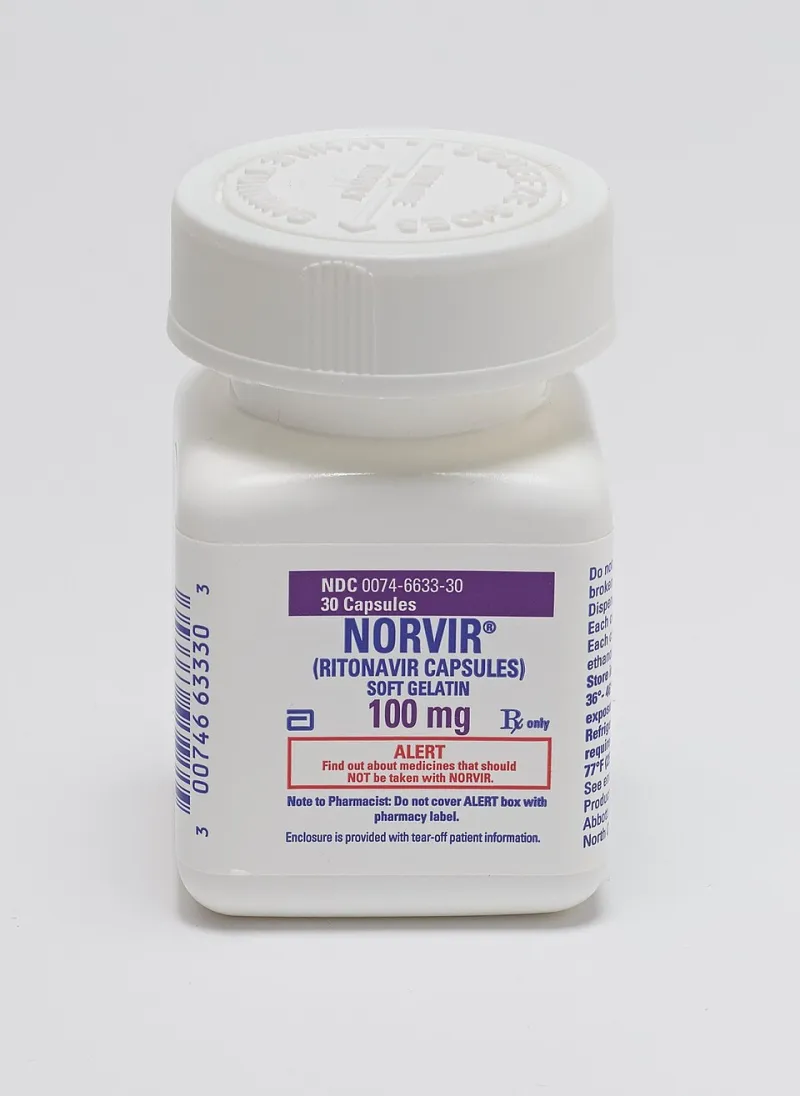
Photo: Abbott Laboratories, Public domain, via Wikimedia Commons
Most Americans treat the expiration date on a medication bottle the way they treat the "best by" label on a box of crackers — a loose suggestion, not a firm boundary. After all, if the pill looks the same and smells the same, how different could it really be? The answer, according to pharmaceutical science, is: significantly more different than most patients realize.
At Aark Pharmaceuticals, we believe that informed patients make safer decisions. That starts with understanding what expiration dates actually mean — and why dismissing them can carry real consequences.
What Does a Medication Expiration Date Actually Mean?
The expiration date printed on a drug's packaging is not arbitrary. Under regulations established by the U.S. Food and Drug Administration (FDA), pharmaceutical manufacturers are required to conduct stability testing on every product they bring to market. These tests determine the period during which a drug maintains at least 90 percent of its labeled potency under specified storage conditions.
In other words, an expiration date is a manufacturer's guarantee — backed by scientific data — that the medication will perform as intended up to that point. After that date, the guarantee expires along with the drug.
What happens beyond that threshold depends heavily on the specific medication, its chemical composition, how it has been stored, and the form it takes — tablet, liquid, capsule, or injectable.
The Degradation Spectrum: From Harmless to Hazardous
Not all expired medications are equally dangerous, and it is important to separate genuine risk from overcaution.
Medications that lose potency gradually — such as many solid oral tablets stored in cool, dry conditions — may simply become less effective over time. An expired antihistamine might relieve allergy symptoms less efficiently. An old multivitamin may deliver fewer active nutrients. The primary concern here is therapeutic failure: you take the medication expecting relief, but the degraded compound no longer delivers it.
This matters enormously in time-sensitive situations. Consider someone managing a chronic condition who, unable to reach a pharmacy, relies on an expired blood pressure medication. The dose they believe they are taking may not be the dose their body actually receives.
Medications that degrade into toxic compounds represent a far more serious category. The most well-documented example involves tetracycline antibiotics, which can break down into compounds that have been associated with a kidney-damaging syndrome. While this specific concern has been largely mitigated by modern formulations, it illustrates a foundational principle: chemical degradation does not always produce an inert result.
Liquid medications, including oral suspensions, eye drops, and injectable solutions, are particularly vulnerable to microbial contamination and chemical breakdown after expiration. Using an expired eye drop, for instance, risks introducing bacteria directly into a sensitive mucous membrane.
Insulin and biologics occupy a critical tier of concern. These complex molecules are inherently unstable and can lose significant potency within weeks of improper storage or after expiration. For a person with Type 1 diabetes, using degraded insulin is not merely ineffective — it can precipitate a life-threatening hyperglycemic crisis.
Nitroglycerin tablets, commonly prescribed for acute chest pain, are among the most time-sensitive medications in any household. Their active compound is volatile by nature. Studies have demonstrated meaningful potency loss well before the labeled expiration date if the medication is stored improperly — in a warm pocket, for example, rather than a cool cabinet.
The Military Study That Changed the Conversation
It would be incomplete to discuss medication expiration without acknowledging a frequently cited 1986 study conducted for the U.S. military. Facing enormous costs associated with replacing stockpiled medications, the Department of Defense partnered with the FDA to test whether certain drugs retained potency beyond their labeled dates. The results showed that many solid dosage forms remained stable for years past expiration under ideal storage conditions.
This study is often used to argue that expiration dates are overly conservative. That interpretation, however, misses several critical nuances. The medications tested were stored under controlled, optimal conditions — not in a humid bathroom cabinet or a hot car glove compartment. The study also excluded liquid formulations, biologics, and a range of high-risk drug classes. And "retained potency" does not account for the formation of degradation byproducts.
The study's findings are legitimate, but they apply narrowly. Using them as a blanket justification for ignoring expiration dates is a misapplication of the science.
Storage Conditions: The Variable Most Patients Ignore
Expiration dates are assigned based on specific storage parameters. The bathroom medicine cabinet — warm, humid, and subject to daily temperature fluctuations — is among the worst possible storage environments for most medications, despite being the most culturally common choice.
A medication stored in a cool, dry location away from direct light will generally maintain stability longer than one subjected to heat and moisture. Conversely, a medication that has been stored poorly may degrade well before its printed expiration date.
Refrigerator-required medications, such as certain liquid antibiotics and biologics, lose stability rapidly at room temperature. If a medication requires refrigeration and has been left out for an extended period, the expiration date on the label is no longer a reliable guide.
Which Expired Medications Pose the Greatest Risk?
As a practical reference, the following categories warrant particular caution:
- Injectable medications and vaccines — sterility cannot be guaranteed after expiration
- Liquid antibiotics and oral suspensions — prone to both microbial growth and chemical breakdown
- Nitroglycerin — volatile potency loss with significant cardiac implications
- Insulin and other biologics — molecular instability leads to unpredictable dosing
- Eye drops and nasal sprays — contamination risk is elevated after expiration
- Seizure medications and anticoagulants — therapeutic failure carries severe consequences
Safe Disposal: The Responsible Path Forward
The FDA recommends that most medications be disposed of through authorized drug take-back programs. The DEA's National Prescription Drug Take Back Day events, held twice yearly, provide convenient, no-cost disposal options at thousands of locations across the country. Year-round drop-off boxes are also available at many pharmacies and law enforcement facilities.
For medications without a take-back option nearby, the FDA-approved at-home method involves mixing the medication with an undesirable substance — used coffee grounds or cat litter — sealing it in a container, and placing it in household trash. Certain high-risk medications, including opioids, carry specific flush-first instructions on their labeling due to overdose risk.
Flushing medications indiscriminately is discouraged for environmental reasons, though it remains preferable to leaving dangerous drugs accessible in the home.
A Word From the Pharmacist's Perspective
At Aark Pharmaceuticals, our licensed pharmacists are available to answer specific questions about the medications in your home. If you are uncertain whether an expired medication is safe to use in an emergency — or whether it should be discarded immediately — that conversation is worth having before the emergency arrives.
Expiration dates exist to protect you. Treating them as a firm boundary, rather than a flexible suggestion, is one of the simplest and most evidence-based steps you can take toward safer medication management.