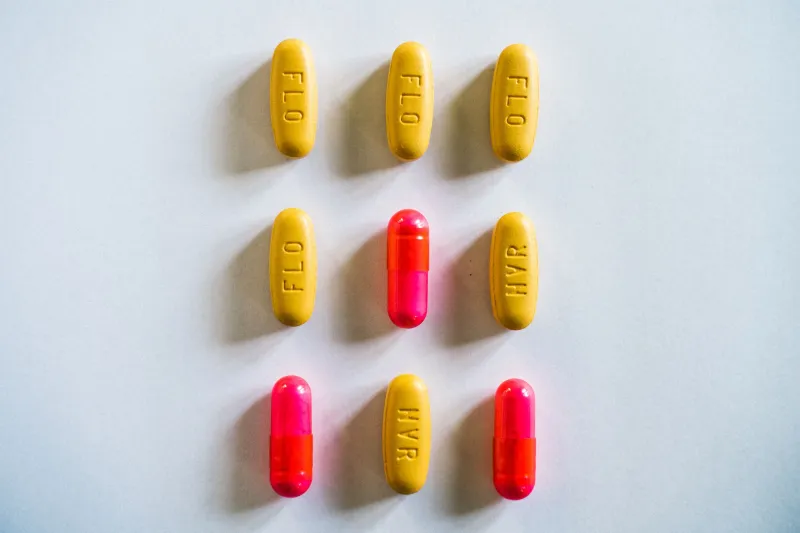
Why Your Pharmacist Stops Everything to Double-Check Certain Prescriptions

Most patients experience the pharmacy counter as a relatively seamless transaction. You drop off a prescription, wait, and pick up your medication. What you rarely witness is the quiet but critical evaluation happening behind the scenes — a professional review process that, on certain days, causes a trained pharmacist to set everything else aside and make a phone call before a single tablet is counted.
This verification pause is not a malfunction in the system. It is the system working exactly as intended.
The Invisible Gatekeeping Role of Your Pharmacist
Pharmacists in the United States serve as the final clinical checkpoint between a written prescription and a patient's medicine cabinet. Their role extends well beyond reading labels and counting pills. Every prescription that enters a pharmacy is reviewed against a patient's full medication profile — a practice known as drug utilization review — and certain combinations immediately elevate to what professionals internally consider high-alert status.
These are not rare edge cases. According to research published by the American Pharmacists Association, clinically significant drug interactions are identified in a meaningful percentage of daily prescription reviews at community pharmacies nationwide. The difference between a manageable interaction and a medical emergency often comes down to whether that review happens at all.
Drug Combinations That Trigger Immediate Scrutiny
Certain pairings have earned a permanent place on every pharmacist's internal red flag list — not because they are always dangerous, but because the margin for error is narrow enough to warrant verification every single time.
Warfarin and almost anything new. Warfarin, a blood thinner prescribed to millions of Americans, is notorious for its sensitivity to other drugs. Adding a common antibiotic like fluconazole, metronidazole, or even certain over-the-counter pain relievers such as ibuprofen can dramatically amplify warfarin's blood-thinning effect, raising the risk of serious or life-threatening bleeding. When a patient on warfarin presents with a new prescription, pharmacists routinely pause to assess whether a dose adjustment or prescriber consultation is warranted.
SSRIs combined with other serotonergic agents. Selective serotonin reuptake inhibitors — a class of antidepressants that includes fluoxetine, sertraline, and escitalopram — interact dangerously with a surprisingly wide range of other medications. Tramadol, certain migraine treatments known as triptans, and even the herbal supplement St. John's Wort can push serotonin levels into a toxic range, a condition called serotonin syndrome. Because some of these combinations appear to involve entirely unrelated conditions — depression and a migraine, for example — the connection is not always obvious to patients.
ACE inhibitors or ARBs paired with potassium-sparing diuretics. This combination, often encountered in patients managing both heart failure and hypertension, carries a risk of hyperkalemia — a dangerous elevation in blood potassium levels that can disrupt heart rhythm. The individual drugs are each commonly prescribed and generally well-tolerated; together, however, they require careful monitoring.
QT-prolonging medications stacked together. A number of drugs — including certain antibiotics, antifungals, antipsychotics, and antihistamines — carry the potential to prolong the heart's QT interval, a measure of electrical activity. When two or more such drugs appear on a patient's profile simultaneously, pharmacists flag the combination because the cumulative effect can trigger a potentially fatal arrhythmia called torsades de pointes.
Opioids alongside benzodiazepines or sleep aids. The FDA has issued its strongest possible warning — a black box label — about the concurrent use of opioid pain medications and central nervous system depressants such as alprazolam, diazepam, or zolpidem. The combined respiratory depression these drugs produce is one of the leading contributors to overdose deaths in the United States. A pharmacist who sees both on a patient's profile will almost always pause to verify clinical intent.
The Technology Behind the Alert
Modern pharmacy management software has made the detection of these combinations faster and more comprehensive than any individual could manage manually. When a new prescription is entered into the dispensing system, automated drug interaction checkers cross-reference it against the patient's entire medication history in real time, generating alerts ranked by clinical severity.
However, technology is a tool, not a replacement for professional judgment. Automated systems generate alerts for thousands of interactions, many of which are theoretical rather than clinically significant in a specific patient's context. The pharmacist's training is what separates a meaningful intervention from alert fatigue — the tendency to dismiss warnings that appear too frequently. This is why experienced pharmacists develop nuanced, patient-specific assessments rather than relying solely on software outputs.
Patient Scenarios That Elevate Risk
Beyond specific drug pairings, certain patient characteristics prompt heightened vigilance during prescription review.
Older adults — particularly those over 65 — metabolize medications differently due to changes in kidney function, liver capacity, and body composition. The Beers Criteria, a widely referenced clinical guide, identifies dozens of medications that carry elevated risk specifically in this population.
Patients managing multiple chronic conditions and seeing more than one prescriber present a particular challenge. A cardiologist, a rheumatologist, and a primary care physician may each prescribe appropriately within their specialty without having full visibility into the others' recommendations. The pharmacy is often the only place where all of those prescriptions converge.
Pregnant patients, individuals with documented kidney or liver disease, and those with a history of substance use disorder each represent scenarios where standard dosing assumptions may not apply and verification becomes essential.
What You Can Do to Support the Safety Process
Patients who understand what pharmacists are looking for are in a stronger position to facilitate — rather than inadvertently complicate — the verification process.
Maintain a single pharmacy relationship. Filling all prescriptions at one pharmacy, or within one pharmacy network, ensures your complete medication profile is visible to the reviewing pharmacist. Splitting prescriptions across multiple locations creates blind spots that no software can bridge.
Disclose everything, including supplements and OTC medications. Pharmacists cannot screen for interactions they do not know about. Informing your pharmacist about vitamins, herbal products, and over-the-counter drugs you take regularly is not optional — it is a clinical necessity.
Be transparent about alcohol use and dietary habits. Certain foods — grapefruit being the most widely known example — can significantly alter how medications are absorbed and metabolized. Alcohol interacts with dozens of commonly prescribed drugs. Your pharmacist cannot ask about everything in a brief counter interaction; volunteering this information helps.
Do not interpret a verification delay as an error. If your pharmacist steps away to make a call or asks you to wait while they review your profile, that pause represents the safety system functioning correctly. Patients who understand this are less likely to feel frustrated and more likely to appreciate the protection being extended on their behalf.
A Partnership Built on Transparency
At Aark Pharmaceuticals, we believe that informed patients receive better care. The double-check process your pharmacist conducts is one of the most consequential — and least visible — safeguards in American healthcare. By understanding what triggers that review and actively providing the information that supports it, you become a genuine participant in your own safety rather than a passive recipient of it.
Your pharmacist's pause is never wasted time. Most often, it is the moment that makes all the difference.