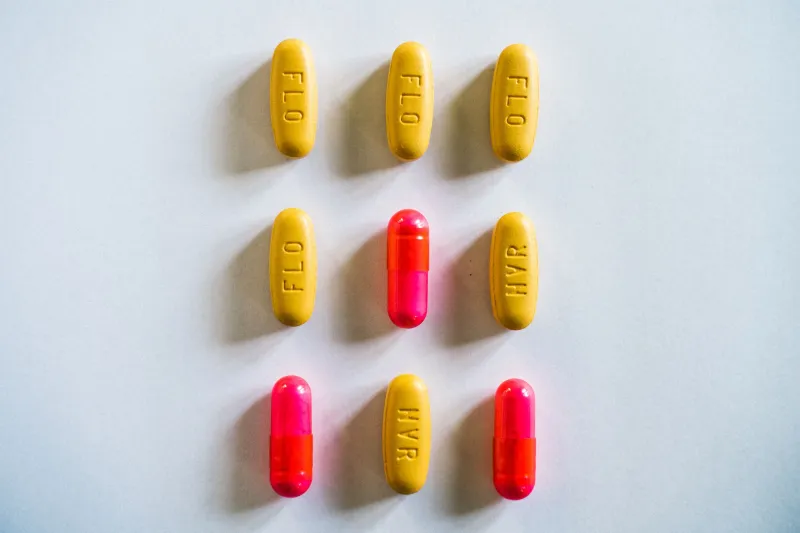
Empty Shelves and Overstocked Aisles: The Hidden Forces That Decide Which Medications You Can Actually Get
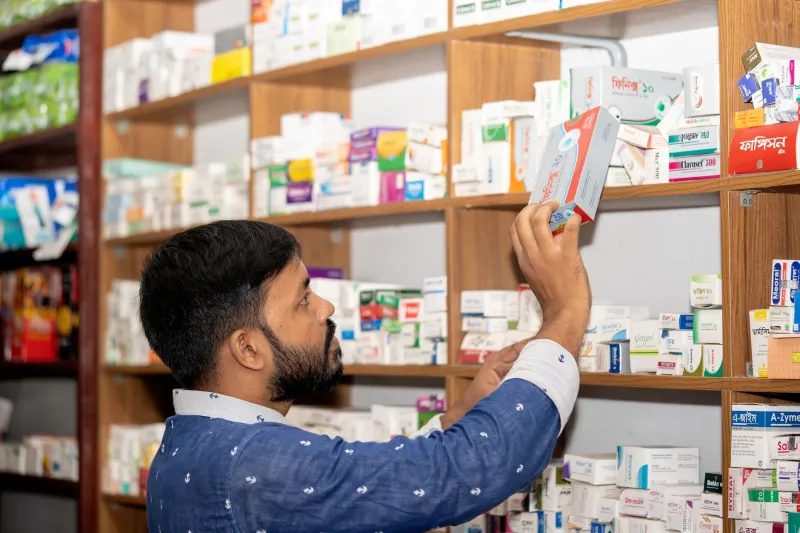
For most patients, a trip to the pharmacy is routine. You drop off a prescription, wait, and expect to leave with your medication. That expectation, however, rests on an extraordinarily complex infrastructure — one that, when it falters, can leave critical therapies unavailable with very little warning. Understanding what drives medication availability is not merely academic. For patients who depend on specific drugs to manage chronic conditions, it can be a matter of genuine health consequence.
A Supply Chain Unlike Any Other
The journey a medication takes before reaching your pharmacy shelf involves dozens of stakeholders. Active pharmaceutical ingredients (APIs) are frequently manufactured overseas — predominantly in India and China — before being shipped to domestic or international drug manufacturers for formulation. Finished products then move through wholesale distributors before arriving at individual pharmacy locations.
At every stage, disruptions are possible. A single manufacturing facility fire, a quality-control citation from the FDA, or a raw material shortage halfway around the world can trigger ripple effects felt at pharmacies across the United States months later. The American Society of Health-System Pharmacists (ASHP) routinely tracks hundreds of active drug shortages at any given time, a figure that has remained persistently high over the past decade.
What makes pharmaceutical supply chains particularly fragile is market concentration. For many generic medications, only one or two manufacturers supply the entire US market. When one of those manufacturers encounters a compliance issue or decides a product is no longer financially viable, alternatives simply may not exist.
Why Generics Are Often the Most Vulnerable
There is a counterintuitive reality embedded in drug shortages: generic medications, which most patients assume are widely available because of competition, are frequently the most susceptible to supply disruptions. Thin profit margins in the generic drug market mean manufacturers operate with minimal redundancy. There is little financial incentive to maintain excess production capacity or carry large safety stocks.
When demand suddenly spikes — as occurred with certain ADHD medications and injectable weight-loss drugs in recent years — manufacturers cannot ramp up production overnight. Pharmaceutical manufacturing involves lengthy validation processes, regulatory oversight, and specialized equipment. A shortage that begins in one quarter may not resolve for six months or more.
Brand-name drugs, by contrast, tend to have more stable supply chains because their higher margins support more robust manufacturing infrastructure. The trade-off, of course, is cost — and not every patient has the flexibility to absorb the price difference.
The Role of Recalls in Sudden Disappearances
Beyond gradual supply pressures, mandatory recalls represent some of the most abrupt disruptions patients experience. The FDA issues recalls across multiple classifications, ranging from products that pose serious health risks to those with minor labeling deficiencies. Class I recalls — the most serious — require immediate removal from distribution and can deplete pharmacy inventory virtually overnight.
Pharmacists are generally notified through their wholesale distributors and professional networks when recalls occur. In many cases, however, patients learn of a recall only when they arrive to pick up a refill and find it unavailable. Proactive communication between pharmacies and patients during recall events remains inconsistent across the industry.
How Insurance Formularies Quietly Reshape Availability
Drug shortages are not always rooted in manufacturing. Insurance formularies — the lists of medications a plan agrees to cover — are revised regularly, and those revisions have a direct effect on what pharmacies stock. When a major insurer removes a drug from its preferred tier or drops coverage entirely, demand at the retail level can shift dramatically. Pharmacies, operating on thin margins themselves, adjust their purchasing accordingly.
Formulary changes also drive patients toward therapeutic alternatives, which can create secondary shortages of substitute medications that were never designed to absorb that level of demand. This cascading dynamic is one reason pharmacists and healthcare providers increasingly coordinate on contingency planning for patients on complex medication regimens.
What Pharmacists Know — And When They Know It
Experienced pharmacists often develop an informal early-warning system for emerging shortages. Patterns in wholesale allocation notices, conversations with pharmaceutical sales representatives, and professional association alerts all provide advance signals that a particular drug may become difficult to source. This intelligence is rarely communicated to patients in a structured way, but it exists.
Pharmacies that belong to larger chains or buying groups sometimes have access to broader inventory networks, allowing them to source medications from distribution centers in other regions when local stock runs low. Independent pharmacies may have less flexibility but often compensate with stronger supplier relationships and more personalized patient communication.
Hoarding and Demand Surges: The Patient Factor
Patient behavior also contributes to availability challenges. When news of a potential shortage reaches the public — through social media, news coverage, or word of mouth — some patients attempt to stockpile supplies by requesting early refills or filling prescriptions at multiple locations. While this impulse is understandable, it accelerates the very shortage it is meant to guard against.
Insurance plans and pharmacy benefit managers typically impose refill-too-soon restrictions to limit this behavior, but determined patients can sometimes circumvent these controls by paying out of pocket at different pharmacies. The net effect is uneven distribution, where some patients accumulate excess supply while others find none available at all.
Preparing Without Panic: Practical Steps for Patients
For individuals who depend on medications that have historically been subject to shortages, a measured approach to preparedness is both reasonable and responsible. A few strategies are worth considering.
Maintain open communication with your pharmacist. Pharmacists are often the first to know when a medication is becoming difficult to source. A straightforward conversation about your medication's supply status can give you valuable lead time.
Ask about therapeutic alternatives in advance. Working with your prescriber to identify a medically appropriate backup option before a shortage occurs is far more effective than scrambling during one.
Understand your insurance formulary. Reviewing your plan's drug list annually — particularly during open enrollment — can help you anticipate coverage changes before they affect your access.
Use a consistent pharmacy. Patients who fill prescriptions regularly at the same location are more likely to be prioritized when a pharmacy's supply is limited. Established relationships matter in constrained situations.
Avoid unnecessary stockpiling. Maintaining a modest supply buffer — typically a 30-day surplus if your plan permits early refills — is sensible. Accumulating months of excess inventory contributes to broader access problems for other patients.
The Bigger Picture
Medication availability is not simply a logistical problem. It reflects broader structural realities about how the United States sources, manufactures, and distributes pharmaceutical products. Policy discussions around domestic drug manufacturing incentives, supply chain transparency requirements, and shortage notification standards are ongoing — and directly relevant to the patients most affected.
At Aark Pharmaceuticals, we believe informed patients are better-prepared patients. Understanding the forces that shape your medication's journey from manufacturer to pharmacy shelf empowers you to plan proactively, ask better questions, and work more effectively with the healthcare professionals guiding your care. When the shelf is unexpectedly empty, that knowledge can make all the difference.